logotype
FacebookInstagramGoogle-plus-g
  • Home
  • Services & Projects
  • Articles
  • Contact
logotype
  • Home
  • Services & Projects
  • Articles
  • Contact

Blue Bay

Blue Bay

  • Home
  • Services & Projects
  • Articles
  • Contact
May 2026
Home2026May
IMG_0848
Renovations
May 29, 2026by AnneRose

Blue Bay Builders’ Top Home Renovation Projects for Summer 2026
Summer is prime time for home renovations, and for good reason. Longer days, warmer weather, and more predictable schedules make it the ideal season to tackle projects that improve both the beauty and functionality of your home. Whether you’re planning to stay in your house for years or preparing to increase resale value, the right renovation can completely transform how you live and enjoy your space.

This year, at Blue Bay Builders, we see homeowners are focusing on renovations that blend comfort, practicality, and personality. Outdoor living upgrades, warmer and more inviting kitchens, spa-inspired bathrooms, and coastal-inspired finishes are leading the way for summer 2026. Industry trend reports show that homeowners are prioritizing spaces that feel livable, welcoming, and connected to nature rather than cold, overly minimalist designs.

Here are our top home renovation projects for homeowners to invest in this summer.

1. Outdoor Living Spaces

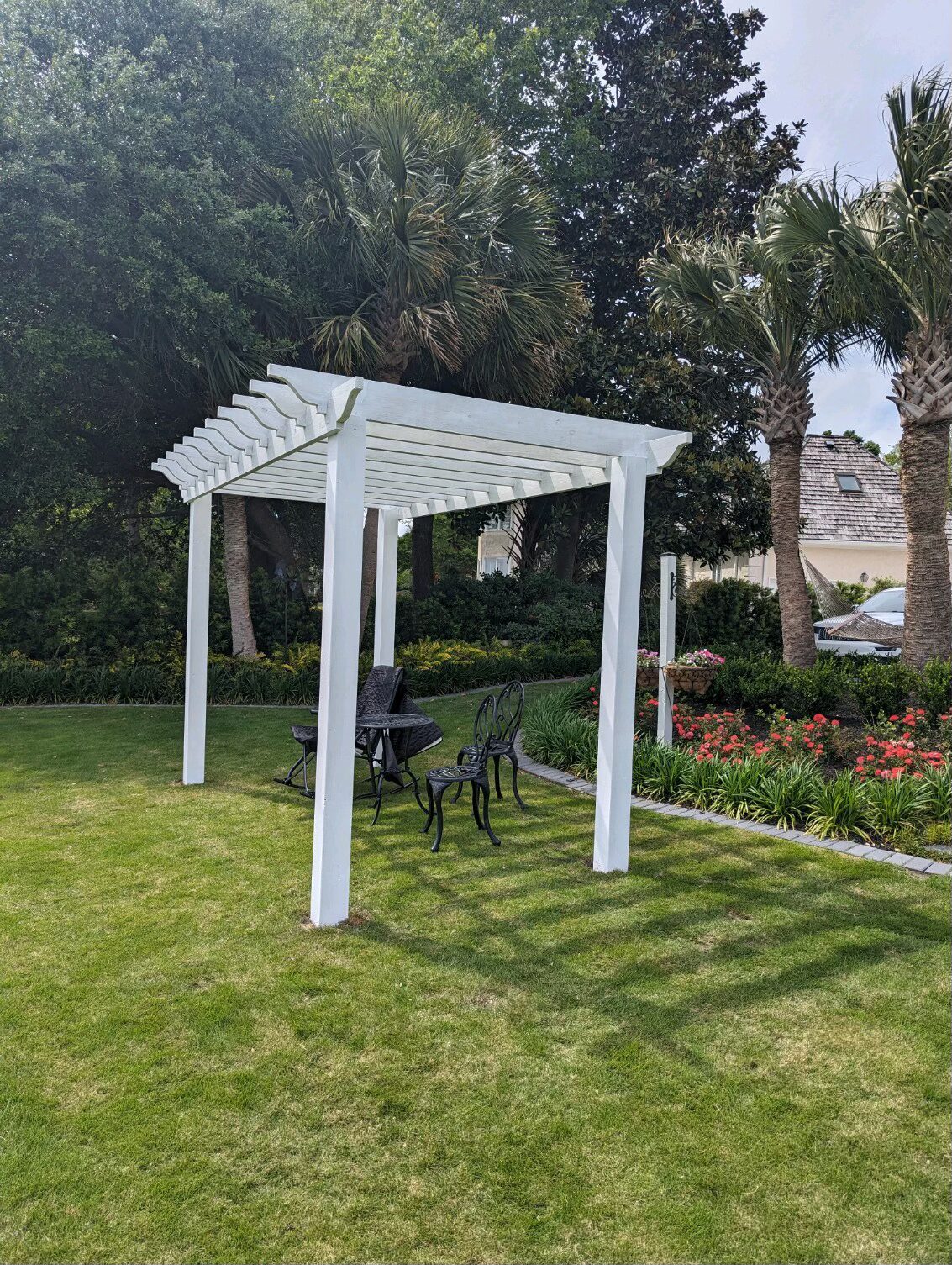
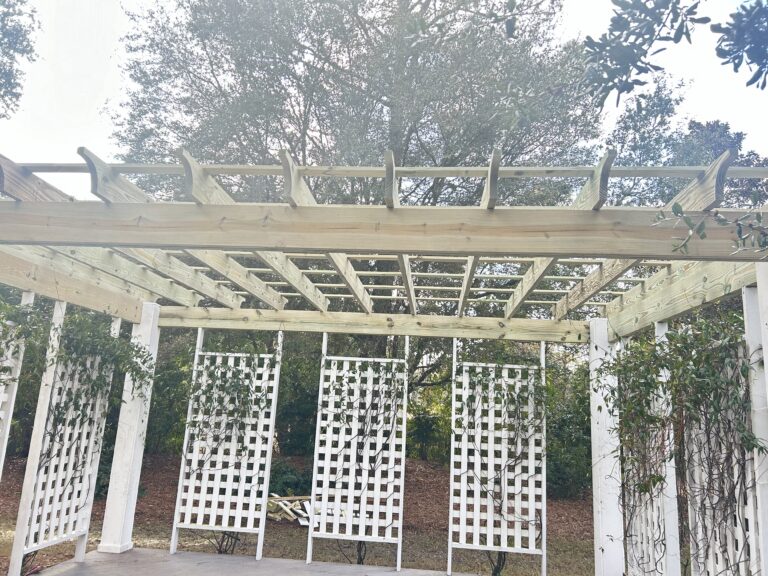
Outdoor living remains one of the most requested renovation categories, especially in coastal North Carolina where homeowners can enjoy outdoor spaces nearly year-round. Patios, outdoor kitchens, covered porches, fire features, pergolas, and poolside gathering areas are all high on homeowners’ wish lists this summer.

Experts continue to point to functional outdoor spaces as one of the best investments for both lifestyle and resale value. Defined seating areas, outdoor dining spaces, and thoughtfully designed patios help extend usable square footage while making homes more attractive to buyers.

This year’s outdoor trends lean toward relaxed luxury. Homeowners are choosing natural materials like stone, wood, and textured concrete along with softer, more comfortable furniture that feels like an extension of the indoors. Outdoor kitchens are evolving beyond simple grills into full entertaining spaces complete with prep areas, refrigeration, custom cabinetry, and stylish lighting.

For coastal homeowners, screened porches and covered patios are especially valuable additions, providing shade and protection while still embracing outdoor living.

2. Kitchen Remodels with Warm, Functional Design

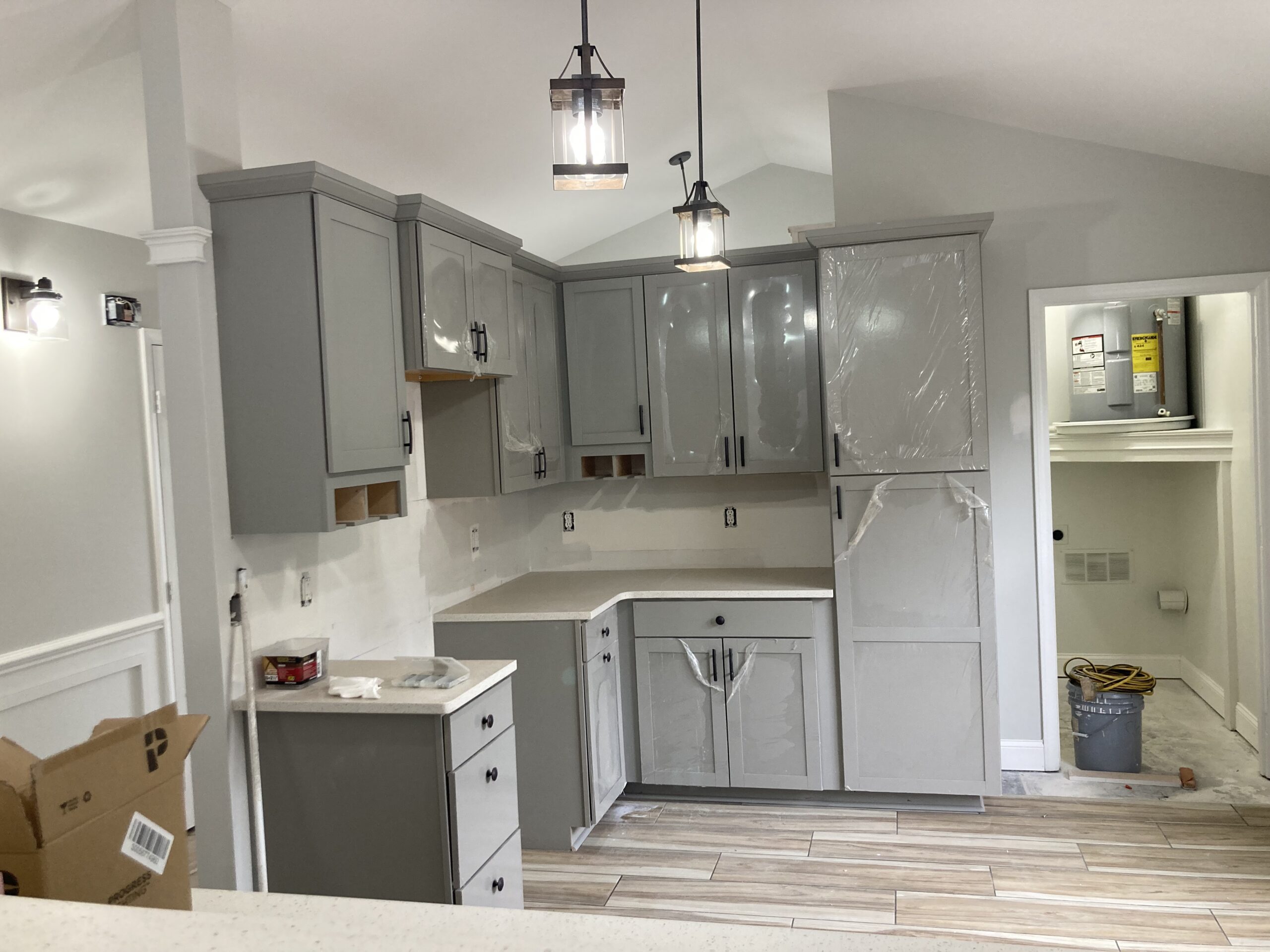
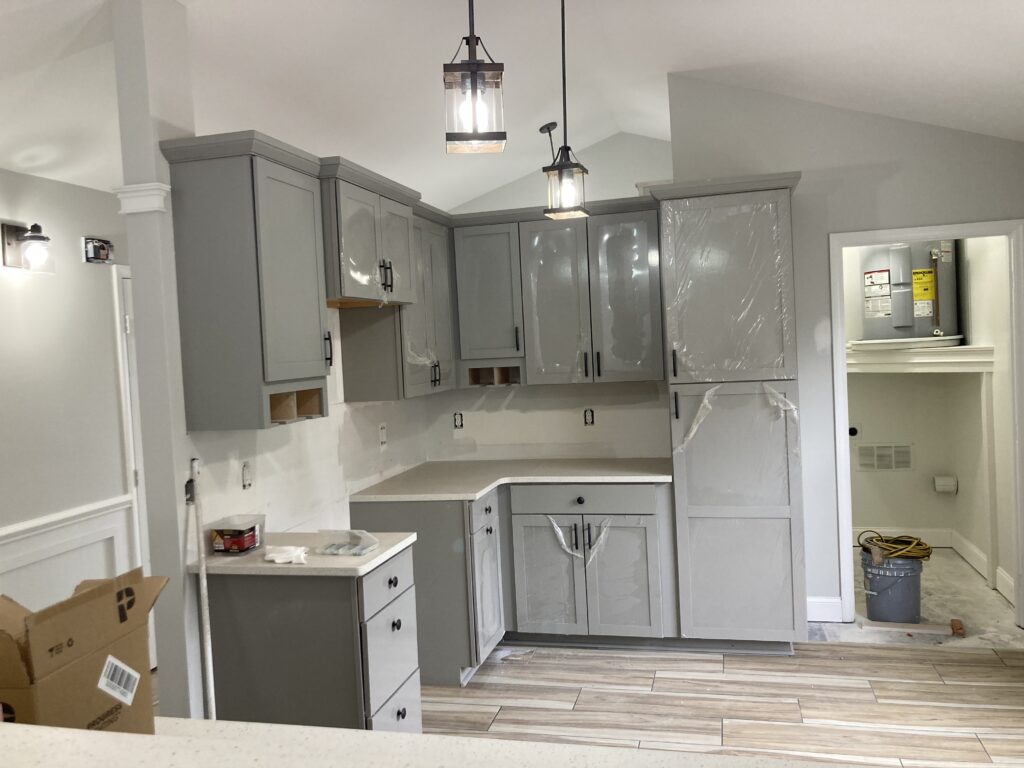
The kitchen continues to be the heart of the home, and it remains the most popular room to renovate. But the all-white, ultra-modern kitchens that dominated the last decade are beginning to fade. In their place are kitchens designed for warmth, comfort, and everyday living.

Homeowners are gravitating toward natural wood tones, earthy colors, mixed materials, and layered textures. Sage greens, warm taupes, terracotta accents, charcoal blues, and natural oak cabinetry are becoming increasingly popular.

Functionality is also driving design decisions. Smart storage solutions, hidden appliance garages, oversized islands, walk-in pantries, and dedicated coffee or beverage stations are now considered must-have features in many remodels. Homeowners want kitchens that not only look beautiful but also work better for busy daily life.

Statement lighting, decorative backsplashes, and curved design elements are also trending heavily this summer. Searches for arched range hoods, rounded kitchen islands, and textured tile details have surged as homeowners move toward softer, more inviting spaces.

3. Spa-Inspired Bathroom Renovations

Bathrooms are no longer viewed as purely functional spaces. In 2026, homeowners are investing in bathrooms that feel relaxing, luxurious, and retreat-like.

Popular bathroom upgrades include oversized walk-in showers, freestanding soaking tubs, custom tile work, floating vanities, and layered lighting. Many homeowners are also choosing natural textures and calming color palettes inspired by coastal living and wellness-focused design.

Large-format tile, organic textures, matte finishes, and warm wood accents continue to gain popularity. Heated floors, frameless glass showers, and integrated storage solutions are also becoming common requests during renovations.

For many homeowners, bathroom remodels are about creating a peaceful escape within the home while also improving long-term property value.

4. Flooring Upgrades

New flooring can dramatically change the appearance and feel of a home, and this summer’s trends focus heavily on texture, durability, and natural aesthetics.

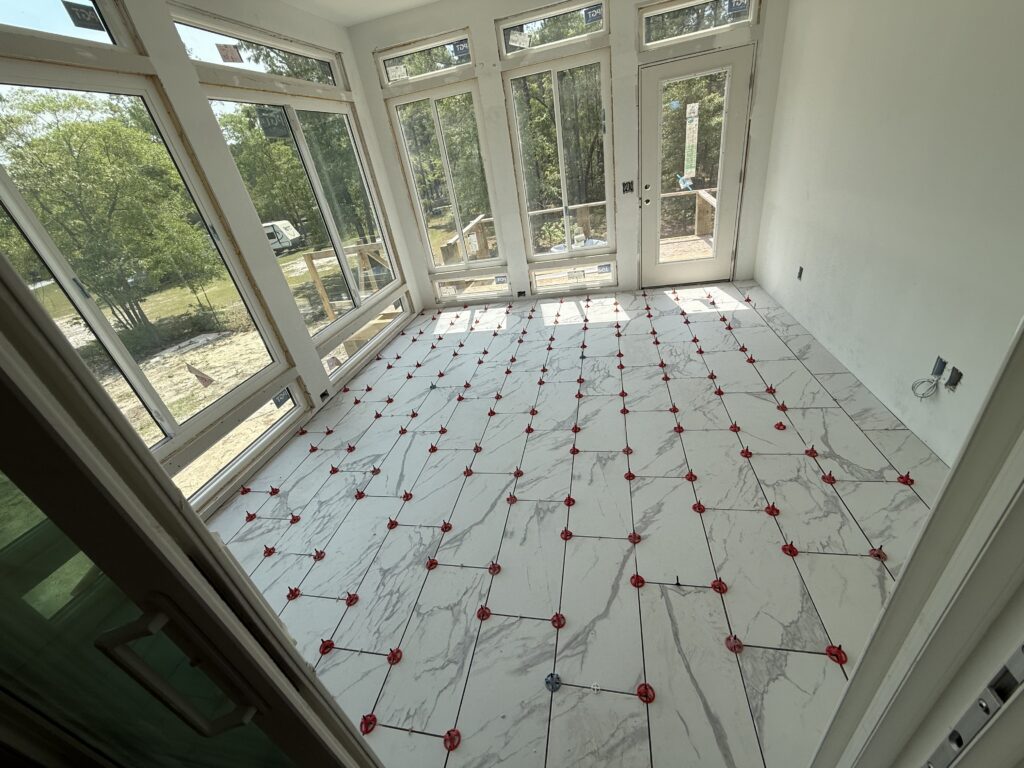
Wide-plank hardwood flooring remains highly desirable, especially in warmer natural finishes. Luxury vinyl plank flooring also continues to grow in popularity because of its durability and moisture resistance—particularly important in coastal climates.

Geometric tile patterns, herringbone layouts, terrazzo-inspired finishes, and textured surfaces are all seeing increased interest this year. Homeowners are looking for flooring that feels custom, timeless, and easy to maintain.

For beach-area homes, durable flooring materials that can handle sand, humidity, pets, and heavy traffic are especially important.

5. Whole-Home Refreshes with Coastal Warmth

One of the biggest shifts in home renovation trends is the move toward homes that feel collected, personal, and connected to nature. Rather than overly themed coastal décor or sterile modern interiors, homeowners are embracing warmer coastal styles that feel timeless and livable.

Designers are incorporating layered textures, curved architectural details, earthy tones, natural materials, and soft lighting to create homes that feel relaxed and elevated at the same time.

This can include everything from updating paint colors and trim details to adding custom built-ins, replacing outdated fixtures, or modernizing entire living spaces with cohesive finishes.

Homeowners are also prioritizing renovations that improve comfort and livability rather than simply following short-term trends. Spaces designed for entertaining, family connection, and daily enjoyment are becoming more important than ever.

Let’s Start a Home Renovation Project

Summer is one of the best times to invest in your home, and the right renovation project can improve not only your property value but also the way you experience your space every day. Whether you’re dreaming of a luxury outdoor living area, a warm and functional kitchen, a spa-like bathroom, or a complete coastal-inspired refresh, thoughtful renovations can make your home more beautiful, more comfortable, and better suited to your lifestyle.

At Blue Bay Builders, we specialize in helping homeowners throughout southeastern North Carolina bring their renovation visions to life with craftsmanship, attention to detail, and personalized service. If you’re considering a renovation project this summer, now is the perfect time to start planning.
READ MORE
eglantineshala-house-9062509_1920
Renovations
May 18, 2026by AnneRose

3 Things to Know Before Starting a Remodel

A home remodel is exciting. It’s your chance to finally create the kitchen you’ve dreamed about, open up cramped living spaces, modernize outdated bathrooms, or make your home better suited for coastal North Carolina living. But before the demolition starts and the paint colors are chosen, there are a few important realities homeowners need to understand.

At Blue Bay Builders, we’ve seen firsthand how proper planning can make the difference between a smooth remodeling experience and one filled with stress, delays, and surprise expenses. Whether you’re planning a small bathroom update or a full-home renovation, these are the three biggest things every homeowner should know before starting a remodel.

1. Your Budget Needs More Flexibility Than You Think

One of the most common remodeling mistakes homeowners make is creating a budget with no room for unexpected costs. On television, renovations seem to happen quickly and perfectly. In real life, homes often reveal hidden issues once walls, flooring, or fixtures are removed.

Especially in older homes throughout southeastern coastal North Carolina, contractors frequently uncover things like outdated wiring, plumbing problems, moisture damage, or structural concerns that were impossible to see during the planning phase. These discoveries are normal — but they do affect the budget.

A smart remodeling budget includes:

  • Construction and labor costs
  • Materials and finishes
  • Design fees
  • Permit costs
  • Temporary living arrangements if necessary
  • A contingency fund for surprises

Most remodeling professionals recommend setting aside an additional 10–20% beyond your estimated project cost for unexpected issues. If the surprises never happen, great. But if they do, you won’t feel financially blindsided.

Another important consideration is prioritizing where to spend versus where to save. Splurging on durable cabinetry or quality flooring may make sense, while decorative elements like lighting or hardware can often be upgraded later. The key is balancing aesthetics with long-term value.

It’s also worth remembering that remodeling costs have shifted significantly in recent years due to material pricing, labor demand, and supply chain fluctuations. Getting multiple quotes may help you understand market pricing, but choosing solely based on the lowest estimate can create bigger problems later if corners are cut.

A realistic budget creates confidence and helps keep the project moving smoothly from start to finish.

2. Remodeling Timelines Are Rarely Exact

Every homeowner wants to know the same thing before construction begins: “How long will this take?”

The honest answer is that remodeling timelines are estimates — not guarantees.

Even the most organized remodeling projects can face delays due to weather, inspections, material backorders, subcontractor scheduling, or hidden conditions discovered during demolition. Coastal North Carolina weather alone can occasionally impact deliveries, exterior work, or permitting schedules.

For example:

  • A bathroom remodel may take several weeks
  • A kitchen renovation could take months
  • Whole-home remodels may extend even longer depending on complexity

One delay often creates a domino effect. If cabinets arrive late, countertops can’t be installed. If inspections are delayed, drywall or flooring may need to wait. This is completely normal in construction.

The best approach is to build flexibility into your expectations and your daily life.

Before construction begins, ask questions like:

  • Will parts of the home be unusable during construction?
  • Will water or electricity need temporary shutoffs?
  • Should we arrange alternate cooking or sleeping spaces?
  • Are long-lead materials already ordered?

Good communication between homeowners and contractors is critical throughout the process. A professional remodeling team should keep you informed about progress, scheduling updates, and any adjustments along the way.

Patience matters more than people expect during a remodel. Rushing construction to save time often leads to mistakes, poor workmanship, or overlooked details. Quality remodeling takes planning, coordination, and craftsmanship.

The homeowners who enjoy the process the most are usually the ones who understand upfront that timelines can shift — and who focus on the long-term result instead of temporary inconveniences.

3. Permits Matter More Than Homeowners Realize

Permits are not the exciting part of remodeling, but they are one of the most important.

Many homeowners assume permits are unnecessary for “small” renovations, but building codes exist to protect the safety, structure, and value of your home. Depending on the scope of your remodel, permits may be required for:

  • Electrical work
  • Plumbing changes
  • Structural modifications
  • Window replacements
  • Additions
  • Decks and outdoor living spaces
  • HVAC updates

Skipping permits can create serious problems later.

If unpermitted work is discovered during a future home sale, homeowners may face costly corrections, delays in closing, insurance complications, or even fines. In some cases, homeowners are required to remove completed work entirely if it doesn’t meet code requirements.

Permitting also ensures that licensed inspectors review the work at different stages of the project. While inspections may feel inconvenient, they help verify that everything is completed safely and correctly.

Every municipality has slightly different rules and timelines for approvals, especially in growing coastal communities around Wilmington and southeastern North Carolina. Some permits move quickly, while others can take additional review time depending on the project scope.

Working with an experienced contractor helps simplify this process significantly. A professional remodeling company understands local codes, handles permit applications, coordinates inspections, and helps avoid costly compliance issues.

Planning Leads to Better Remodeling Results

The most successful remodeling projects are not necessarily the biggest or most expensive. They’re the ones built on realistic expectations, thoughtful planning, and clear communication.

Understanding your budget, preparing for timeline flexibility, and respecting the permitting process can dramatically reduce stress and help your project stay on track.

A remodel is an investment in both your home and your lifestyle. Taking the time to plan carefully before construction begins can help ensure the finished result is something you’ll enjoy for years to come.

If you’re considering a renovation project in the Wilmington or southeastern North Carolina area, the team at Blue Bay Builders can help guide you through every stage of the remodeling process — from planning and design to construction and final details.

READ MORE
IMG_8845
DesignRenovations
May 9, 2026by AnneRose

The Most Popular Renovations to Give Your Home a Coastal Feeling

There’s something about coastal homes that instantly puts people at ease. Maybe it’s the light-filled rooms, the natural textures, or the relaxed feeling that makes every day seem a little less rushed. The good news is you don’t need an oceanfront address to bring that same atmosphere into your home. With the right renovations and design choices, you can create a coastal-inspired space that feels bright, welcoming, and timeless.

Today’s coastal style has evolved far beyond seashell décor and overly themed beach-house interiors. Homeowners are now leaning toward a more refined coastal aesthetic built around natural materials, warm neutrals, functional outdoor spaces, and durable finishes that fit modern living. Designers are increasingly embracing “warm coastal” interiors with organic textures, layered lighting, and calming earth tones instead of stark whites and overly nautical accents.

Here are some of the most popular renovations homeowners are choosing to give their homes a fresh coastal feeling.

Open Up the Floor Plan

One of the hallmarks of coastal homes is an airy, open layout. Knocking down unnecessary walls between the kitchen, dining room, and living room can dramatically change how your home feels.

Open floor plans allow more natural light to travel through the space while creating better flow for entertaining and everyday living. Even smaller homes feel larger and more relaxed when rooms connect visually. Coastal design is all about simplicity and ease, and open layouts naturally support that lifestyle.

Adding larger windows or replacing traditional doors with sliding glass or folding patio doors can also help blur the line between indoors and outdoors — a major trend in coastal renovation projects.

Upgrade to Natural Materials and Textures

Modern coastal interiors are shifting away from glossy finishes and leaning heavily into texture. Renovations that incorporate natural materials instantly make a home feel warmer and more connected to the outdoors.

Popular upgrades include:

  • White oak or wide-plank wood flooring
  • Limewashed or textured walls
  • Natural stone countertops
  • Woven light fixtures
  • Shiplap or tongue-and-groove paneling
  • Rattan, cane, and wicker accents

Wood paneling and shiplap remain especially popular, but homeowners are using them in cleaner, more sophisticated ways than in the past. Instead of covering entire homes in farmhouse-style shiplap, many people are adding subtle accent walls, ceiling details, or built-in features for texture and character.

Natural stone is also having a major moment in kitchens and bathrooms, especially softer marble and quartzite finishes with warm veining and organic movement.

Renovate the Kitchen with Coastal Colors

The kitchen is often the centerpiece of a coastal-inspired renovation. While bright white kitchens are still popular, newer coastal trends are moving toward warmer, softer tones inspired by sand, driftwood, and sea grass.

Popular coastal kitchen renovations include:

  • Soft sage or muted blue cabinetry
  • Warm white or cream cabinets
  • Light wood islands
  • Quartz or natural stone countertops
  • Oversized pendant lighting
  • Open shelving
  • Matte brass or brushed nickel hardware

Many homeowners are also replacing upper cabinets with windows or floating shelves to make kitchens feel more open and connected to the outdoors.

Warm neutrals and earthy tones are replacing cool grays in both interior and exterior renovations, creating a softer and more welcoming coastal look.

Create a Spa-Like Coastal Bathroom

Bathrooms are one of the easiest places to introduce a coastal atmosphere. Homeowners are increasingly transforming primary bathrooms into relaxing retreats inspired by luxury coastal resorts.

Popular coastal bathroom renovations include:

  • Walk-in showers with frameless glass
  • Large-format tile in sandy or stone-inspired tones
  • Freestanding soaking tubs
  • Natural wood vanities
  • Soft layered lighting
  • Textured tile or stone accents

Outdoor showers are also becoming a sought-after feature in coastal homes and vacation-style properties. What was once reserved for beach houses is now becoming popular in many backyard renovation projects thanks to the growing focus on wellness and outdoor living.

Invest in Outdoor Living Spaces

Few renovations create a coastal feeling faster than improving your outdoor spaces. Coastal living is centered around gathering outdoors, relaxing comfortably, and creating seamless transitions between inside and outside.

Some of the most popular outdoor renovations include:

  • Covered patios and porches
  • Outdoor kitchens
  • Composite decking
  • Fireplaces or fire pits
  • Pergolas
  • Resort-style pools
  • Lounge and dining zones
  • Comfortable woven furniture

Homeowners are increasingly designing outdoor areas with multiple “zones” for dining, entertaining, wellness, and relaxation rather than one simple patio space.

Warm wood tones, natural stone, and woven textures are dominating outdoor coastal design trends right now, replacing colder gray palettes from previous years.

Refresh the Exterior for Coastal Curb Appeal

Exterior renovations can dramatically shift the overall feeling of a home. Coastal exteriors tend to feel timeless, durable, and welcoming.

Popular upgrades include:

  • Fiber cement siding
  • Metal roofing
  • Board-and-batten accents
  • Soft coastal paint colors
  • Natural wood front doors
  • Bahama shutters
  • Native landscaping
  • Layered outdoor lighting

In coastal climates especially, homeowners are prioritizing durable, low-maintenance materials that hold up well against humidity, sun, and storms while still looking beautiful.

Coastal Style Is About Feeling, Not Theme

The best coastal renovations don’t feel overly decorated or forced. Instead, they create calm, comfortable spaces that feel connected to nature and designed for real living.

Whether you’re remodeling a kitchen, updating your outdoor spaces, or planning a whole-home renovation, coastal design works best when it combines durability, warmth, and relaxed elegance. The goal isn’t to make your home look like a souvenir shop by the beach — it’s to create a space that feels lighter, brighter, and easier to live in every day.

At Blue Bay Builders, we help homeowners throughout coastal North Carolina create beautiful, functional spaces designed around the way they live. From outdoor living projects to full-scale renovations, our team can help bring your coastal vision to life.

READ MORE
IMG_1823
Landscape
May 7, 2026by AnneRose

Designing the Perfect Space Around Your In-Ground Swimming Pool

When homeowners think about adding an in-ground swimming pool, the focus is often on the pool itself — the shape, size, depth, or water features. But in reality, the area surrounding the pool has just as much impact on how the space looks, functions, and feels. The pool deck and surrounding outdoor living areas are what transform a swimming pool into a complete backyard retreat.

The right poolside design can create space for entertaining, relaxing, dining, sunbathing, and family gatherings while also improving safety and long-term durability. From hardscaping materials to landscaping and outdoor amenities, today’s homeowners have more options than ever when designing the area around their pool.

Here’s a closer look at some of the most popular choices for creating a beautiful and functional pool environment.

Concrete Pool Decks

Concrete remains one of the most common materials used around in-ground pools because it is durable, versatile, and cost-effective. Modern concrete pool decks are far more attractive than the plain gray surfaces many people imagine.

Stamped concrete can mimic the appearance of natural stone, brick, slate, or wood while providing a more affordable alternative. Homeowners can also choose from a wide variety of colors, textures, and finishes to match the style of the home.

Concrete is especially popular because it creates a seamless look and can easily accommodate curved pool designs. Textured finishes also help improve slip resistance, which is important for safety around wet surfaces.

One thing to consider in coastal climates is heat retention. Some darker concrete finishes can become hot under direct summer sun, so lighter colors are often preferred.

Paver Pool Decks

Pavers have become one of the most sought-after options for pool surrounds because they offer both beauty and flexibility. Available in concrete, natural stone, and brick varieties, pavers create an upscale, custom appearance that works with nearly any architectural style.

One major advantage of pavers is durability. Individual pavers can shift slightly without cracking, making them ideal for outdoor environments where settling may occur over time. If damage does happen, single pavers can usually be replaced without redoing the entire surface.

Pavers also provide excellent traction and stay relatively cool underfoot compared to some concrete surfaces. Popular choices include travertine, bluestone, and textured concrete pavers.

While pavers generally come with a higher upfront cost, many homeowners appreciate the long-term visual appeal and easier maintenance.

Natural Stone Surrounds

For homeowners looking to create a luxury resort-style atmosphere, natural stone is often the premium choice. Materials such as travertine, flagstone, limestone, and slate add texture, elegance, and organic beauty to pool areas.

Natural stone works particularly well in coastal, Mediterranean, tropical, and high-end outdoor living designs. Each piece has unique color variations and patterns, giving the space a custom, one-of-a-kind appearance.

Travertine has become especially popular around pools because it remains cooler underfoot and provides natural slip resistance. Flagstone offers a more rustic, earthy look that blends beautifully with landscaping.

The primary consideration with natural stone is cost. Installation and materials are typically more expensive than concrete or pavers, and some stone surfaces may require sealing or additional maintenance over time.

Wood and Composite Decking

In some backyard layouts, particularly those with elevation changes or smaller footprints, decking may be the best option around a pool.

Traditional wood decking creates a warm, natural look that works beautifully with coastal and boho-inspired outdoor spaces. Cedar, redwood, and pressure-treated lumber are common choices, though they require regular staining, sealing, and maintenance.

Composite decking has grown significantly in popularity because it offers the appearance of wood with far less upkeep. Composite materials resist moisture, fading, splintering, and insect damage, making them especially attractive in humid coastal climates.

Decking is often used to soften the look of a pool area and create a more relaxed outdoor atmosphere.

Landscaping Around the Pool

Landscaping plays a major role in turning a pool area into a private oasis. Plants, trees, lighting, and decorative features can soften hardscape surfaces while adding color, privacy, and visual interest.

In coastal North Carolina, many homeowners incorporate palms, ornamental grasses, hydrangeas, jasmine, or native plants that thrive in the local climate. Tropical-inspired landscaping remains especially popular because it enhances the resort-like feeling of the space.

Privacy is another major consideration. Strategic landscaping can help block neighboring views, reduce wind, and create a more intimate environment around the pool.

Low-maintenance landscaping is often the smartest approach. Plants that drop excessive leaves, berries, or debris can quickly increase pool cleaning and maintenance requirements.

Outdoor Living Features

Modern pool areas have evolved far beyond lounge chairs and umbrellas. Many homeowners now incorporate full outdoor living spaces surrounding the pool.

Popular additions include:

  • Outdoor kitchens and grilling areas
  • Covered patios and pergolas
  • Fire pits and fireplaces
  • Built-in seating walls
  • Poolside bars
  • Outdoor showers
  • Accent lighting
  • Tanning ledges and sun shelves
  • Cabanas and pool houses

These features help transform the pool area into a true extension of the home rather than a standalone backyard feature.

Creating multiple “zones” around the pool — such as dining, lounging, cooking, and conversation areas — can make the entire outdoor space feel more functional and inviting.

Safety and Practical Considerations

While aesthetics matter, safety and functionality should always remain top priorities. Slip-resistant surfaces, proper drainage, durable materials, and adequate walking space are essential for a successful pool design.

Shade is another factor many homeowners underestimate. The North Carolina summer sun can be intense, so covered seating areas, pergolas, umbrellas, or strategically placed landscaping can significantly improve comfort.

Maintenance expectations should also guide material choices. Some surfaces require more sealing, cleaning, or upkeep than others, and choosing low-maintenance materials can help preserve the enjoyment of the space over time.

Ultimately, the area around your pool is what defines the experience. A thoughtfully designed pool surround creates comfort, beauty, and functionality while turning the backyard into a destination for relaxing and entertaining throughout the year.


Ready to transform your outdoor space? Whether you’re planning a custom pool area, outdoor kitchen, patio, deck, or complete backyard retreat, the team at Blue Bay Builders is here to help bring your vision to life. Contact us today to discuss your project, explore design ideas, and receive a personalized quote. Your dream outdoor living space starts with a conversation.

READ MORE
69298706197__6C88C778-8AD0-4D58-877D-B3E097F2288D
Kitchens
May 7, 2026by AnneRose

How to Choose the Right Color for Your Kitchen Cabinets

Kitchen cabinets are one of the biggest visual elements in any home, so choosing the right color can completely shape the feel of the space. Cabinet color affects everything from how large the kitchen appears to how modern, warm, dramatic, or timeless it feels. Because cabinetry is also a major investment, homeowners want a color choice that looks beautiful today and still feels right years from now.

The good news is there is no single “correct” cabinet color. The best choice depends on your home’s style, lighting, lifestyle, and personal taste. Before committing to a paint swatch or stain sample, it helps to think beyond trends and focus on how the kitchen will function and feel in everyday life.

Here are some of the most important factors to consider when choosing a kitchen cabinet color.

Start With the Overall Style of Your Home

Your kitchen should feel connected to the rest of the home, not completely separate from it. One of the easiest ways to narrow down cabinet colors is to consider the overall architectural and interior design style of the house.

Modern homes often work well with clean whites, soft grays, black cabinetry, or natural wood tones with minimal grain. Farmhouse kitchens tend to lean toward warm whites, sage greens, navy blues, and rustic wood finishes. Coastal homes frequently incorporate airy neutrals, soft blues, driftwood-inspired tones, and light natural finishes.

A cabinet color that complements the home’s personality usually feels more timeless than one chosen solely because it is trending online.

Pay Attention to Natural Light

Lighting dramatically changes how cabinet colors appear throughout the day. A shade that looks perfect in a showroom may feel completely different in your own kitchen.

Kitchens with large windows and abundant sunlight can typically handle darker cabinet colors without feeling heavy. Deep greens, charcoal, navy, or black cabinetry can create stunning contrast in bright spaces.

Smaller kitchens or rooms with limited natural light often benefit from lighter colors that help reflect light and create a more open feeling. Whites, warm creams, soft taupes, and pale grays remain popular for this reason.

It is always smart to test large paint samples in the actual kitchen before making a final decision. Morning light, evening light, and artificial lighting can all affect the appearance of color.

Decide Whether You Want Timeless or Trendy

There is nothing wrong with embracing trends, but homeowners should think carefully about how long they plan to live with the choice.

Classic cabinet colors tend to have staying power. White cabinetry remains popular because it works with nearly every style and allows flexibility with changing décor. Natural wood tones are also making a major comeback because they add warmth and authenticity that feel timeless rather than overly designed.

Trend-driven colors like bold emerald greens, dramatic black cabinetry, or heavily saturated blues can look incredible, but they are often best used thoughtfully. Many homeowners find success by incorporating trendier colors on kitchen islands or lower cabinets while keeping perimeter cabinets more neutral.

This creates personality without overwhelming the space.

Consider Your Countertops and Flooring

Cabinet color should never be selected in isolation. Kitchens are made up of multiple large surfaces that must work together visually.

Countertops, backsplash materials, flooring, wall paint, hardware, and lighting all influence how cabinet colors look. Warm wood floors may clash with cool gray cabinets. Bright white cabinetry can sometimes feel too stark against creamy countertops. Strongly patterned stone may compete with bold cabinet colors.

A balanced kitchen typically combines contrast and coordination. If countertops have dramatic movement or veining, simpler cabinet colors often work best. If countertops are more subtle, cabinetry can become the visual focal point.

The goal is creating harmony rather than having every feature compete for attention.

Think About Maintenance and Everyday Living

Cabinet color affects more than aesthetics — it also impacts how visible dirt, fingerprints, and wear become over time.

Very dark cabinets tend to show dust, smudges, and fingerprints more easily. Bright white cabinets may reveal stains or scuffs faster in busy family kitchens. Mid-tone finishes, warm woods, and softer painted colors often hide daily wear more effectively.

Lifestyle matters too. Families with children, pets, or heavy kitchen traffic may prefer practical finishes that remain forgiving between cleanings.

Matte and satin finishes also tend to hide imperfections better than high-gloss surfaces.

Don’t Underestimate the Power of Wood Tones

For years, painted cabinets dominated kitchen design, but natural wood cabinetry has made a major return. Homeowners are increasingly drawn to the warmth, texture, and organic feel that wood brings to a kitchen.

White oak, walnut, and lighter natural finishes are especially popular because they create a softer, more inviting atmosphere. Wood tones also pair beautifully with a variety of styles, from modern organic to coastal and Scandinavian-inspired interiors.

Even homeowners who prefer painted cabinetry often incorporate wood elements through islands, floating shelves, or accent cabinetry to add depth and visual warmth.

Choose a Color You Won’t Get Tired Of

Ultimately, the best cabinet color is the one that makes you happy every time you walk into the kitchen. Trends come and go, but kitchens are highly personal spaces that should reflect the people who use them daily.

Instead of focusing only on what is currently popular, think about the mood you want to create. Do you want the kitchen to feel calm and airy? Warm and inviting? Dramatic and modern? Relaxed and coastal?

The right cabinet color helps shape that experience.

A thoughtfully designed kitchen balances beauty, practicality, and personality — and cabinet color plays one of the biggest roles in bringing that vision together.


Ready to transform your home? Whether you’re planning a kitchen remodel, custom cabinetry, outdoor living project, or a full home renovation, the team at Blue Bay Builders is here to help bring your vision to life. Contact us today to discuss your project, explore design ideas, and receive a personalized quote. Your dream space starts with a conversation.

READ MORE
IMG_6114
Landscape
May 7, 2026by AnneRose

A Guide to the Different Types of Outdoor Fireplaces

An outdoor fireplace can completely transform the feel of a backyard living space. Beyond simply providing warmth, fireplaces create atmosphere, extend the use of outdoor areas into cooler months, and become a natural gathering place for family and guests. In coastal North Carolina, where outdoor living is part of the lifestyle, adding a fireplace can make patios, porches, and backyard retreats feel comfortable year-round.

But not all outdoor fireplaces are created equal. Homeowners today have more options than ever, from traditional wood-burning designs to sleek gas installations and modern fire features. Choosing the right one depends on your space, budget, maintenance preferences, and how you plan to use the area.

Here’s a closer look at the most popular types of outdoor fireplaces and what makes each one unique.

Traditional Wood-Burning Fireplaces

For many homeowners, nothing compares to the authentic experience of a real wood-burning fire. The crackling sound, smoky aroma, and natural flame create a cozy atmosphere that feels timeless and inviting.

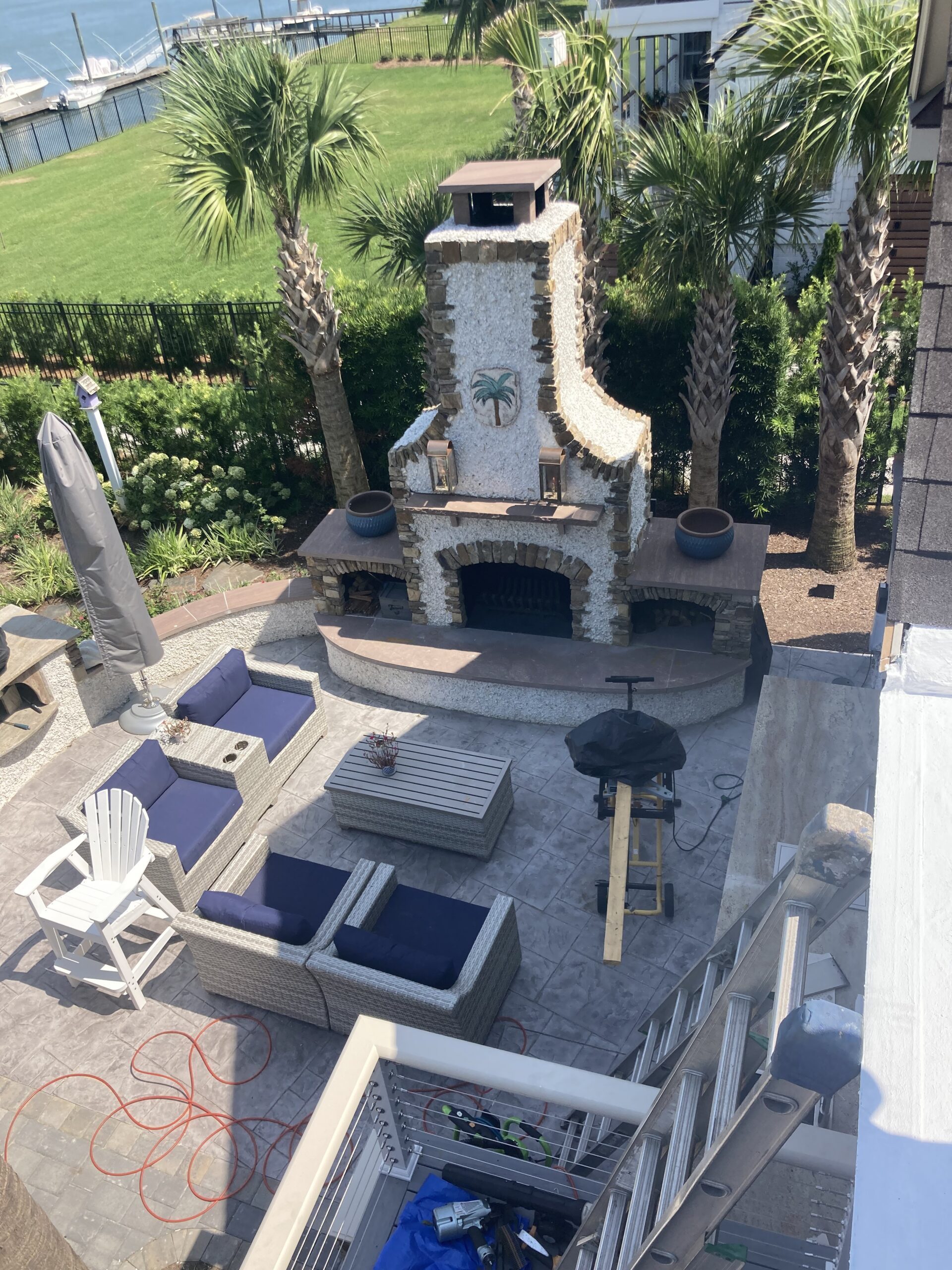
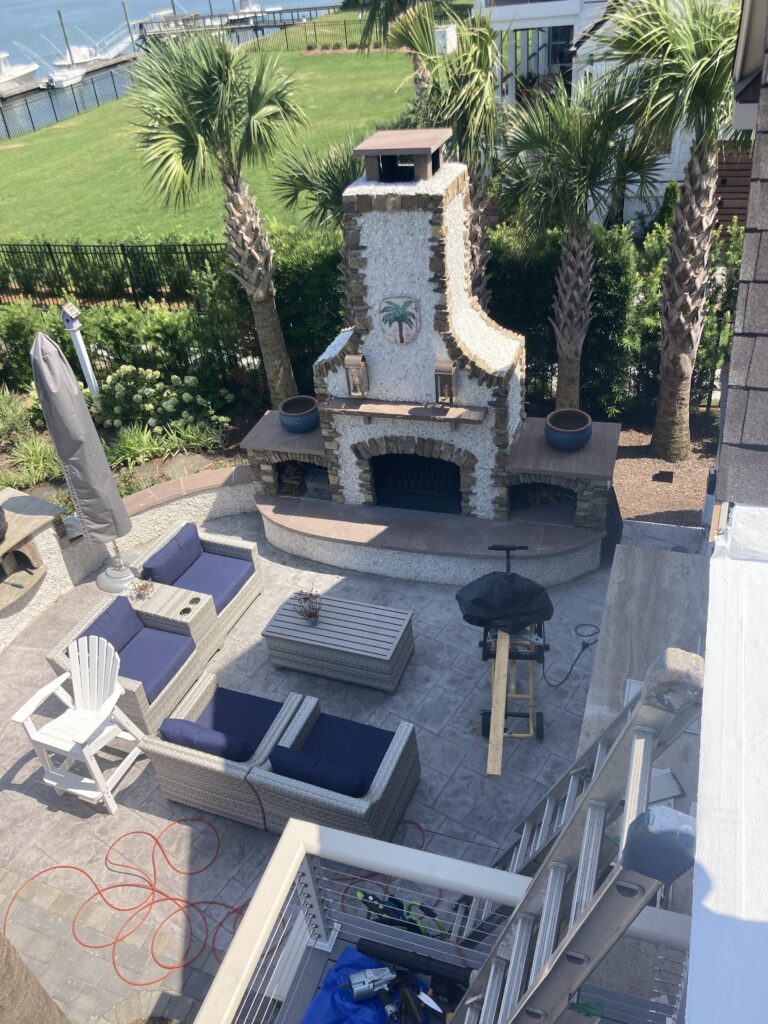
Wood-burning outdoor fireplaces are often built with brick, stone, stucco, or concrete and can be designed to match the architecture of the home. They work especially well in rustic, coastal, farmhouse, or traditional outdoor spaces.

One major advantage is ambiance. A wood-burning fireplace creates a true campfire-style experience that many people love for entertaining or relaxing on cool evenings.

However, these fireplaces do require more maintenance. Homeowners need space to store firewood, clean ash regularly, and manage smoke output. In some neighborhoods or smaller lots, smoke may also become a consideration.

Wood-burning fireplaces are ideal for homeowners who value atmosphere and don’t mind the extra upkeep that comes with a real fire.

Gas Outdoor Fireplaces

Gas fireplaces have become increasingly popular because of their convenience and clean operation. With the push of a button or flip of a switch, homeowners can instantly create heat and ambiance without hauling wood or cleaning ashes.

These fireplaces typically run on either natural gas or propane and are available in a wide range of styles, from modern linear fireplaces to traditional masonry-inspired designs.

One of the biggest advantages of gas fireplaces is ease of use. They light quickly, burn consistently, and require very little maintenance compared to wood-burning systems. They also produce less smoke, making them a practical choice for covered patios, screened porches, and neighborhoods with close property lines.

Gas fireplaces are often more expensive upfront because of gas line installation and professional setup requirements, but many homeowners find the convenience well worth the investment.

For homeowners seeking a polished, low-maintenance outdoor living space, gas fireplaces are often the preferred option.

Electric Outdoor Fireplaces

Electric fireplaces are less common outdoors but can work well in certain covered or enclosed outdoor environments. These units use electricity to generate heat and simulated flames, offering a simple alternative for homeowners who want ambiance without fuel or ventilation concerns.

Electric models are typically easier and less expensive to install than gas or wood-burning fireplaces. They also eliminate concerns about smoke, ash, or open flames.

The downside is that electric fireplaces generally do not produce the same level of heat or authentic atmosphere as wood or gas systems. For this reason, they are often best suited for screened porches, sunrooms, or semi-enclosed outdoor spaces rather than fully exposed patios.

Built-In Masonry Fireplaces

Built-in masonry fireplaces are considered the luxury option in outdoor living design. These permanent structures are custom-built from materials such as brick, natural stone, concrete block, or stucco and can accommodate either wood-burning or gas systems.

Because they are fully customized, masonry fireplaces can become stunning architectural focal points. They often include features like raised hearths, seating walls, wood storage niches, outdoor televisions, or integrated kitchens.

The durability of masonry construction makes these fireplaces especially attractive in coastal climates where weather resistance matters. A properly built masonry fireplace can last for decades while adding significant visual appeal and property value.

The tradeoff is cost. Custom masonry fireplaces require more labor, materials, and planning than prefabricated units. However, for homeowners investing in a complete outdoor living area, the long-term value can be substantial.

Prefabricated Outdoor Fireplaces

Prefabricated fireplaces offer a more budget-friendly alternative to custom masonry builds. These factory-built units are installed into a framed structure and finished with stone, stucco, brick veneer, or other decorative materials.

Prefabricated systems are available in both wood-burning and gas versions and can often be installed faster and at a lower cost than fully custom designs.

Many homeowners choose prefabricated fireplaces because they provide the look of a custom fireplace while helping control project costs. Modern designs have become increasingly attractive and versatile, making them a practical option for many outdoor living spaces.

Choosing the Right Fireplace for Your Home

The best outdoor fireplace ultimately depends on how you want to use your space. Homeowners who prioritize authenticity and atmosphere may lean toward wood-burning fireplaces, while those focused on convenience and low maintenance often prefer gas systems.

Budget, available space, maintenance expectations, and local building codes should all factor into the decision. It’s also important to consider how the fireplace fits into the overall outdoor design. A fireplace should feel integrated into the patio, porch, or backyard rather than added as an afterthought.

When thoughtfully designed, an outdoor fireplace becomes more than just a feature — it becomes the heart of the outdoor living space, creating a place where friends and family naturally gather throughout the seasons.


Ready to transform your outdoor space? Whether you’re planning a custom deck, screened porch, outdoor kitchen, patio, or complete backyard makeover, the team at Blue Bay Builders is here to help bring your vision to life. Contact us today to discuss your project, explore design ideas, and receive a personalized quote. Your dream outdoor living space starts with a conversation.

READ MORE
PXL_20240430_191914755.MP
Landscape
May 7, 2026by AnneRose

How to Decide Where to Spend Your Outdoor Living Budget

Outdoor living spaces have become one of the most valuable parts of the modern home. In coastal North Carolina, where mild weather allows homeowners to enjoy the outdoors for much of the year, a well-designed exterior space can add comfort, function, entertainment value, and even resale appeal. But when budgets are limited — and they almost always are — the biggest challenge becomes deciding where your money will have the greatest impact.

The truth is, not every outdoor upgrade delivers the same value for every homeowner. The best investment depends on how you live, how often you entertain, your property layout, and your long-term goals for the home. Before jumping into a major project, it helps to step back and prioritize what matters most.

Start With How You Actually Use Your Space

One of the biggest mistakes homeowners make is designing an outdoor space around trends instead of lifestyle. A stunning outdoor kitchen may look impressive online, but if you rarely cook outside, that budget may be better spent elsewhere.

Think honestly about how you spend time outdoors now — and how you want to spend it in the future.

Do you host large family gatherings? A spacious patio and seating area may be the priority. Love quiet mornings with coffee? A screened porch or covered deck could become your favorite investment. Have children or pets? Durable materials and open yard space may matter more than luxury features.

When the design reflects real-life use, every dollar works harder.

Focus on the Features That Add Daily Enjoyment

Some outdoor upgrades are used a few times a year. Others improve your everyday life.

Covered outdoor living areas consistently deliver strong value because they extend usability through changing weather conditions. In coastal climates, shade structures, pergolas, screened porches, and covered patios help homeowners enjoy their space during hot summers and light rain.

Comfort should also drive your spending decisions. High-quality seating areas, ceiling fans, lighting, and durable surfaces often provide more practical value than oversized statement features.

In many cases, homeowners discover that creating one highly functional outdoor “zone” is more satisfying than spreading the budget across several unfinished ideas.

Invest in the Foundation First

It can be tempting to spend the majority of your budget on decorative finishes or trendy upgrades, but the foundational elements of outdoor living matter most.

A properly built deck, patio, drainage system, retaining wall, or shade structure creates the backbone for everything else. Poor grading, improper drainage, or low-quality materials can lead to expensive repairs later — especially in coastal environments where moisture, humidity, and storms are constant concerns.

If your budget is limited, prioritize structural quality over cosmetic extras. You can always add furniture, landscaping, lighting, and decorative features over time.

Consider Maintenance Costs

Every outdoor feature comes with long-term upkeep. Before making a decision, ask yourself how much maintenance you realistically want to handle.

Natural wood decks may require staining and sealing. Pools involve chemicals, cleaning, and equipment maintenance. Elaborate landscaping can quickly become time-consuming and expensive.

For many homeowners, low-maintenance materials offer better long-term value. Composite decking, durable hardscaping, native plants, and weather-resistant finishes may cost more upfront but often reduce maintenance costs and headaches over time.

A beautiful outdoor space only stays enjoyable if it remains manageable.

Think About Resale Value — But Don’t Design Only for Resale

Outdoor living improvements can absolutely increase home appeal, especially in southeastern North Carolina where buyers often prioritize entertaining and coastal lifestyles. However, chasing resale value alone can lead to generic decisions that don’t fit your family’s needs.

The sweet spot is creating a space that improves your life now while still appealing to future buyers later. Features like covered patios, fire pits, attractive landscaping, and flexible seating areas tend to have broad appeal without feeling overly customized.

Highly specialized upgrades may not deliver the same return unless they align with the surrounding neighborhood and home value.

Create a Long-Term Master Plan

Even if you cannot complete everything at once, it helps to plan the entire outdoor vision upfront. A phased approach allows homeowners to build strategically without wasting money on projects that may need to be redone later.

For example, installing utilities for a future outdoor kitchen during the patio phase can save thousands down the road. Planning ahead also helps ensure the final space feels cohesive instead of pieced together over time.

Outdoor living is rarely about one single feature. It is about creating a space that fits your lifestyle, enhances your home, and makes everyday life more enjoyable. When you focus your budget on the features you will truly use and appreciate, the investment becomes far more rewarding for years to come.


Ready to transform your outdoor space? Whether you’re planning a custom deck, screened porch, outdoor kitchen, patio, or complete backyard makeover, the team at Blue Bay Builders is here to help bring your vision to life. Contact us today to discuss your project, explore design ideas, and receive a personalized quote. Your dream outdoor living space starts with a conversation.

READ MORE

get in touch

Eddey Roque, Owner
+1 910 859 9613
FacebookInstagramGoogle-plus-g

Residential Services:

Renovations
Remodels
Repairs
Additions
New Build/Spec Homes

© 2026 Blue Bay Residential Maintenance | Blue Bay Builders. All Rights Reserved

Blue Bay

Subscribe
to our newsletter

We'll send you home renovation tips, new product reviews, and coastal living remodels that you'll love!

Subscribe